

Let’s cut to the chase. Crafting cold emails that people actually want to open is tough work, but it gets a bit easier when you nail the subject line. This post gives you 7 Tips for Personalizing Cold Email Subject Lines, making sure your message stands out in a crowded inbox.
You’ll learn how personal touches can boost open rates and why knowing your audience matters more than ever.
We’ll also explore the art of refining your email strategy which involves analyzing A/B testing outcomes and creatively incorporating social validation to avoid appearing too assertive.
For each type of personalization, we’ll cover what to do, what not to do, and how to test the impact. Here’s an overview:
- Tip #1: Use the Recipient's Name in Cold Email Subject Lines
- Tip #2: Reference Their Company or Role
- Tip #3: Highlight a Mutual Connection
- Tip #4: Tailor the Message to Their Interests or Needs
- Tip #5: Pose a Compelling Question
- Tip #6: Create Urgency Without Clickbait
- Tip #7: A/B Test Your Way to Success
No fluff here—just practical advice that could change the game for your email campaigns.
The Power of Personalization in Cold Email Campaigns
Did you know that the ideal length for a perfect subject line is about 41 characters? It’s a sweet spot for short subject lines that combine brevity with enough detail to pique a prospect’s interest.
Making your subject line short and attention-grabbing is your best bet to stand out inside your prospect’s inbox. An effective subject line has the potential to create a positive first impression only when it is uniquely tailored to each recipient..
The psychology behind personalized cold email content is simple yet powerful: People love feeling special and recognized. An impersonal ‘Quick Question’ might get lost in the shuffle, but ‘Hey [Name], quick question about [Prospect’s Company]’ stands out because it feels personal.
This approach extends beyond using names; consider referencing shared interests (like mutual membership meetings), experiences (such as attending the same growth marketing conference), or even offering help based on mutual contact or known challenges (‘Can I wave my magic wand over your XYZ issue?’).
But a lot more goes into crafting good cold email subject lines other than just throwing names around, stay around as we cover pro tips on crafting effective personalized cold email subject lines.
Tip #1: Use the Recipient's Name in Cold Email Subject Lines
While it’s common knowledge that including a recipient’s name in a cold email subject line can boost open rates, this basic form of personalization is just the tip of the iceberg.
To truly stand out in a prospect’s crowded inbox, it’s crucial to master the art of personalizing subject lines effectively and avoiding common mistakes.
Personalization extends beyond simply inserting the recipient’s name. It involves crafting a subject line that speaks directly to the recipient’s specific needs, interests, or pain points. This requires a deep understanding of your target audience and the ability to tailor your message accordingly.
Here are some tips on how to personalize your cold email subject lines effectively:
**Research Your Recipient: **Before you draft your email, take the time to understand who your recipient is. Look into their professional background, their company’s recent activities, and any personal interests that are publicly available. This information can help you create a subject line that feels genuinely personalized.
Segment Your Audience: Not all recipients are the same. Segment your email list based on criteria like industry, job role, or previous interactions with your company. This allows for more targeted and relevant subject lines.
Keep It Relevant and Concise: While personalization is key, clarity and brevity are equally important. Ensure that your subject line clearly conveys the email’s value proposition in a few words. Avoid vague or overly promotional language.
Test and Iterate: Use A/B testing to see which subject lines resonate best with your audience. Experiment with different levels of personalization and track the performance in terms of open rates and engagement.
**Avoid Common Pitfalls: **Beware of over-personalization, which can come off as intrusive or creepy. Also, steer clear of tactics that might trigger spam filters, like excessive use of capital letters or exclamation points.
For example, “John, here’s a solution to your team’s workflow challenges” is more likely to pique interest and avoid the spam folder compared to vague or overly salesy subject lines.
Tip #2: Reference Their Company or Role
Referencing a recipient’s company or role in the subject line of a cold email is a strategic approach to both establish credibility and relevance and show that the email is not just another generic outreach effort.
When a recipient sees their company name or job title in the subject line, it signals that the email is specifically tailored for them. This approach is particularly effective in B2B communications, where the relevance to the recipient’s business role and company is crucial.
A subject line like “Is [Company Name] still using [Competitor]?” immediately grabs attention as it suggests that the email content is directly applicable to their current needs or pain points. This method also helps to ensure that your email doesn’t end up in the spam folder, as it shows a degree of personalization and research.
Subject lines that are personalized with the recipient’s company or role have been shown to significantly increase open rates.

According to email marketing studies, emails with personalized subject lines can see a boost in open rates by up to 50%. This is because such subject lines demonstrate a level of effort and specificity that goes beyond generic cold email campaigns.
Moreover, when the email subject line is aligned with the recipient’s professional interests, it increases the likelihood of not only opening the email but also engaging with the content, thereby potentially enhancing click-through rates.
For example, a subject line like “How [Recipient’s Role] Can Drive Change in [Company Name]” is not only personalized but also conveys a sense of importance and urgency.
Tip #3: Highlight a Mutual Connection
Incorporating a mutual connection in the subject line of a cold email is a powerful tactic rooted in the principle of social proof. When recipients see the name of someone they know and trust, it immediately lends credibility to the email. This strategy is particularly effective because it transforms the cold email into a warm introduction.
For instance, a subject line like “John Smith recommended I contact you” instantly grabs attention and makes the recipient more likely to open the email. The mention of a mutual contact acts as an implicit endorsement and establishes a common ground, which can significantly increase the open rates.
his approach can also help your email bypass the spam filter. Emails that mention a known contact are less likely to be marked as spam, as they are seen as part of a legitimate network.
Personalizing cold email subject lines by mentioning a mutual connection can be a powerful strategy, but it requires careful execution to ensure authenticity and relevance. Here’s how to do it effectively and what to avoid:
How to Personalize with Mutual Connections Effectively
Conduct Thorough Research: Use professional networking platforms like LinkedIn to understand the prospect’s network. Identify mutual connections that are genuinely relevant to your prospect and your business.
**Ensure Relevance: **The mutual connection should be relevant to both your business and the prospect’s interests or needs. Avoid using a connection that is too distant or irrelevant, as this can seem insincere.
**Get Permission: **If possible, get the mutual contact’s permission before mentioning them in your email. This not only shows respect for your mutual connection but also adds credibility to your email.
Customize Your Message: Tailor your email content to reflect the mutual connection. Explain how this connection is relevant to the recipient and why it prompted your outreach.
Use a Balanced Approach: While mentioning a mutual connection in the subject line can be effective, ensure the rest of the subject line clearly communicates the email’s value proposition.
What to Avoid:
Overreaching: Avoid using a mutual connection that is too tenuous or distant. This can come off as disingenuous and might backfire.
Violating Privacy: Be mindful of privacy concerns. Don’t reveal sensitive or private information about the mutual connection in your email.
Excessive Focus on the Connection: While the mutual connection is a good starting point, don’t let it overshadow the primary message and purpose of your email.
Neglecting Personalization: Don’t rely solely on the mutual connection. Ensure that the email is personalized in other ways that are relevant to the recipient.
Ignoring Context: Be aware of the context in which you know the mutual connection. If the context is not professional or appropriate for a business email, it’s better not to mention it.
By following these guidelines, you can effectively leverage mutual connections in your cold email subject lines. This approach shows that you’ve done your homework and are genuinely interested in establishing a meaningful connection, thereby enhancing the likelihood of your email being well-received and improving engagement rates.
Tip #4: Tailor the Message to Their Interests or Needs
A lesser-known yet highly effective method of personalizing cold email subject lines involves aligning them with the recipient’s specific interests or needs, rather than just using their name or company. This approach requires understanding the challenges or aspirations specific to the recipient’s industry or role.
For example, a subject line that reads, “Solutions for [Recent Industry Challenge]” immediately indicates relevance and shows that you’re not sending a generic message. Studies in email marketing have shown that cold emails with subject lines addressing specific needs or interests are more likely to be opened and engaged with. It’s all about hitting the right chord with the recipient by showing that you understand their unique situation and have something valuable to offer.
When crafting such personalized subject lines, it’s important to strike a balance between being specific and not triggering spam filters.
Overly promotional language or using too many sales-oriented phrases can land your email in the spam folder. Keeping the subject line short, clear, and directly related to the recipient’s interests is key.
Additionally, personalization should extend beyond the subject line and into the email body, ensuring that the content is as relevant as the subject line promises. This coherence is vital for maintaining the recipient’s interest and increases the chance of getting a positive reply.
Tip #5: Pose a Compelling Question
Using a question as a cold email subject line is an effective technique to engage the recipient’s curiosity and prompt them to seek answers within the email.
This strategy is based on the psychological principle that questions naturally stimulate our thought process, leading us to seek closure. A well-phrased question in the subject line can make your email stand out in a crowded inbox.
For example, a subject line like, “Is Your Team Ready for the Next Big Industry Shift?” immediately addresses a potential concern or interest area for the recipient.
Research in email marketing suggests that question-based subject lines can increase open rates as they pique the curiosity of the reader and promise valuable insights or solutions within the email.
The key to crafting an effective question-based subject line is to avoid generic queries and instead focus on specific issues or interests relevant to the recipient.
A question that is too broad or unrelated to the recipient’s field may fail to grab their attention or, worse, could trigger spam filters. Personalizing the question to address the recipient’s pain point or a topic trending in their industry makes the email seem more relevant and urgent.
For instance, “How Can [Specific Technique] Triple Your Sales?” is likely to attract a recipient interested in sales improvement techniques. This approach to good subject lines not only increases the chance of the email being opened but also sets the stage for the content in the email body to be more engaging and targeted.
Tip #6: Create Urgency Without Clickbait
Mastering the art of creating urgency in your email subjects without resorting to clickbait is like walking a tightrope.
Crafting urgent email subjects without tipping into clickbait territory demands a fine blend of equilibrium, meticulousness, and insight into the human psyche.
Exploring the technique of devising email subjects that radiate urgency while maintaining authenticity can significantly boost your open rates.
Understanding the Psychology Behind Urgency
Crafting an email subject line that creates a sense of urgency taps into our natural fear of missing out (FOMO). When people believe they might lose out on something valuable, they’re more likely to take immediate action.
But there’s a fine line between genuine urgency and perceived manipulation. The key lies in making your recipient feel informed rather than pressured.
A study highlighted by Email Marketing Benchmarks shows that emails with a personalized subject line and catchy subject lines related to time-sensitive offers see higher open rates because they convey both relevance and immediacy.
Tips for Crafting Genuine-Looking Email Subjects
To create urgency without crossing first line into clickbait territory, start with clarity. Your message should be clear and direct—no beating around the bush here.
Next up: specificity is your friend. Instead of vague statements about ‘limited time,’ specify exactly what’s at stake or when an offer expires.
Incorporating real-time updates or countdowns can also add legitimacy to your claims, letting recipients know this isn’t just another marketing ploy but something happening now—and only now—that could benefit them greatly if acted upon promptly.
Leveraging FOMO Effectively
Fear Of Missing Out isn’t just internet slang; it’s a powerful motivator when used correctly in email marketing campaigns aimed at boosting engagement rates among prospects who’ve shown interest before but haven’t taken action yet—maybe because they didn’t feel any pressing need until now.
Tip #7: A/B Test Your Way to Success
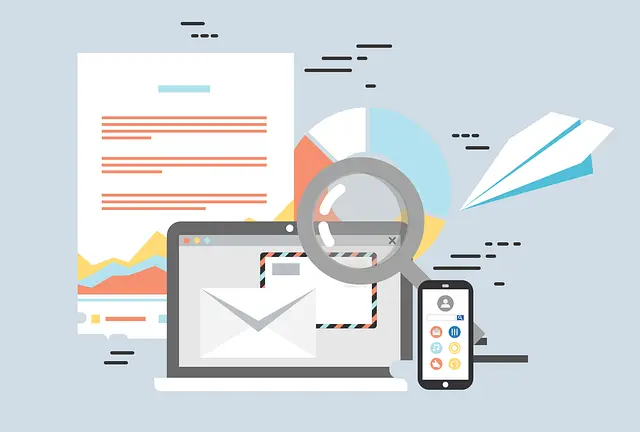
To determine the best email subject lines, it’s advisable to conduct split testing (A/B testing) with different subject lines.
This process involves sending out the same cold email with a tool to test different subject lines to segments of your target audience and analyzing which ones yield higher open rates and click-through rates.
Such testing can reveal valuable insights into what resonates with your audience. Remember, the perfect subject line is one that aligns with your prospect’s interest, avoids being flagged by the spam filter, and encourages the recipient to read the email body.
Moreover, by leveraging social proof or mentioning a mutual contact in follow-up emails, you can further establish credibility and foster engagement.
The first line of your email then carries the momentum set by the subject line, leading to a coherent and attention-grabbing outreach effort.
The goal here is simple but crucial: finding that good subject line that acts like a magic wand, instantly making an email irresistible.
Start by crafting two variations of funny, catchy subject line for your next campaign—make one based on a solid hunch and let the other follow best practices.
By adopting this strategy, you’re essentially casting a wider net, possibly bringing to light new understandings that had previously eluded your grasp.
Remember, these aren’t just random shots in the dark; each variation should be informed by something—maybe it’s data from previous campaigns or insights gleaned from customer feedback.
Whatever it is, make sure there’s reasoning behind each choice because those reasons will guide what comes next after analyzing your results.
Analyzing A/B Test Results
Once your emails are out in the wild and recipients have had time to interact with them (or ignore them), dive into the data headfirst.
Here’s where things get exciting: deciphering which outreach email subject lines worked versus which didn’t can feel like cracking code left by ancient marketers.
You’ll find yourself looking at engagement metrics such as open rates and click-through rates closely since they offer direct insight into how compelling your first subject line and your humorous subject lines really were—or weren’t—to readers.
Using a platform like QuickMail that simplifies effective A/B testing helps identify which tweaks drive better engagement metrics significantly.
In essence? Rinse and repeat this process—a constant cycle of hypothesis-making followed by experimentation followed again by analysis allows continuous refinement of strategies ensuring every cold sales email gets closer than ever before towards being opened immediately upon arrival in someone’s inbox.
Bonus Tip: Keep it Short, Clear, and Intriguing
In email marketing, especially in cold email campaigns, the subject line determines whether an email is opened or ignored. A short subject line is essential due to the limited space available, especially on mobile devices where many emails are read.
A study found that subject lines with 6 to 10 words have the highest open rate. However, it’s not just about length; clarity is equally important.
A good subject line should clearly indicate what the email is about, making it easier for the recipient to decide whether it’s relevant to them.
For instance, a subject line like “Quick Tips for Better SEO” is both concise and informative, immediately telling the recipient what to expect.
While it’s important to be clear, a compelling subject line must also be intriguing enough to compel the recipient to open the email. The challenge is to create a sense of curiosity or urgency without resorting to clickbait tactics, which can damage credibility and lead to high unsubscribe rates.
Catchy subject lines should hint at the value the recipient will gain from opening the email, but they must deliver on that promise in the email body.
For example, “Unlocking New Potential in Your Marketing Strategy” is an intriguing subject line that suggests valuable insights await inside.
However, it’s crucial to avoid phrases that might trigger spam filters, like excessive use of capital letters or overly salesy language.
Wrapping up
So, you’ve dived deep into the art of personalizing your cold email subject line and lines. The journey’s been all about making sure your emails don’t just land but stand out.
From this, remember: Personal touches can significantly lift open rates. Mastering the art of writing gripping subject lines is not merely clever; it’s absolutely essential.
A/B testing? That’s your roadmap to what works and what doesn’t.
Your takeaway? Start simple but think big. Keep refining, keep testing. Your next email could be the one that breaks through.
Automate personalization at scale in your free 14-day trial of QuickMail.