

Standing out in a crowded inbox is tough. So tough that, on average, only about one in three cold emails end up being opened.
So the last thing you want is to win the open, only to turn off your potential customer with unengaging, uninspiring, unpersuasive email copy.
Don’t worry: your sales reps don’t need to be the next Hemingway. They just need to understand the key role that social proof plays in turning prospects into leads (and leads into sales).
Read on to learn everything you need to know about building trust in cold emails via social proof, including:
- What is social proof?
- Why should you use social proof in cold emails?
- What are the different types of social proof?
- How can you effectively integrate social proof into your cold email campaigns?
Let’s get into it…
What is Social Proof?
Social proof is a psychological phenomenon that describes how our decisions are influenced by other people’s actions.
To give a simple example, we’re more inclined to “like” a social post if it already has hundreds or thousands of other likes. Apparently, we’re all just a bunch of sheep.
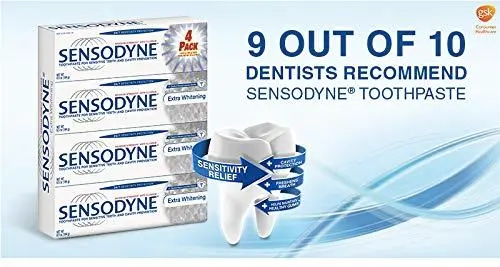
Marketers have been using social proof to their advantage for years. Like all those adverts that claim X toothpaste brand is the most recommended by dentists.
**And you can also social proof to **enhance your cold outreach.
For instance, imagine you work for a SaaS company selling project management software, and you’re A/B testing two cold emails:
- Email #1 explains how your tool helps teams save time on managing projects.
- Email #2 says that 88% of your customers save 5+ hours a week on project management.
The second option sounds a whole lot more persuasive, right?
That’s just one of many ways to build trust in cold emails through social proof.
Why Use Social Proof in Cold Emails?
B2B buyers are naturally risk-averse.
In fact,** two in five B2B buyers take the “defensive” option by selecting the safest choice in over 70% of purchase decisions**. In other words, they go with the product or service they trust the most — even if a different choice could slash costs or boost results.
Which is bad news for sales teams, because just 30% of people say they “highly trust” companies.
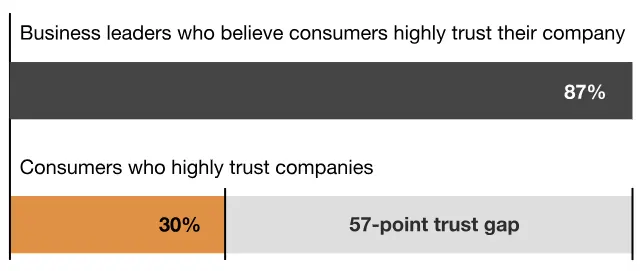
How the heck do you persuade buyers that they can trust you when they’re seemingly compelled to think the exact opposite?
As you’ve probably guessed, the answer is to use social proof.
Leveraging social proof in cold emails is all about backing up your words with credible evidence, thereby making yourself — and your business — appear more trustworthy to potential customers. Simply put, when a prospect trusts you, they’re more likely to reply to your cold emails.
And there’s another major benefit to using social proof in cold emails: it plays on our natural fear of missing out (or “FOMO”, as the kids call it). When we hear that a bunch of respected brands are using a product or service, it’s hard for us not to think: “Why aren’t we using it, too?”
Which, inevitably, makes us more receptive to promotional messaging about that product or service.
8 Effective Social Proof Types for Cold Emails
We’ve discussed the theory behind social proof and why it’s such an effective weapon in your cold email armory. Now, let’s explore the specific types of social proof you can use in cold emails:
Mutual Connections (Who Use Your Product)
When you look up a prospect on LinkedIn, you notice some exciting news — you’ve got a bunch of mutual connections.
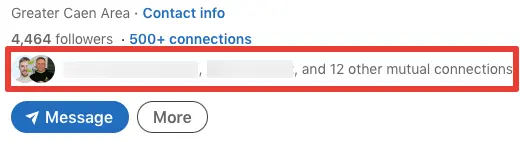
And there’s even better news: one of them uses your product.
Mentioning customers who are shared connections is one of the most persuasive forms of social proof, because it potentially involves someone that your prospect knows “IRL”. Their opinion is a lot more impactful than some random company name.
Example: “I noticed you used to work with Mary-Angela, she’s a team lead at Company X now, and they’ve been using our cold email software for the last three years!”
Customer Testimonials and Reviews
Your prospects are far more likely to trust their industry peers over some salesperson.
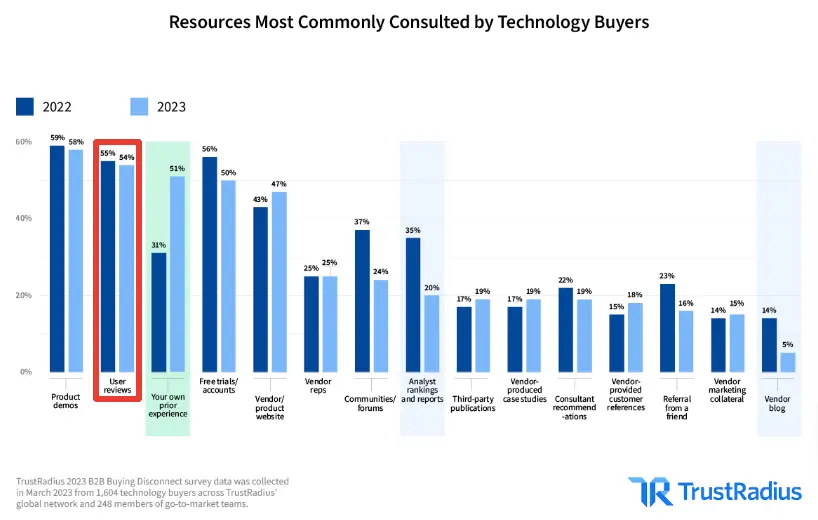
Don’t be offended; use it to your advantage by referencing testimonials and reviews from real customers in your cold emails. This social proof strategy is extremely impactful, given that user reviews are one of the most commonly consulted resources for B2B buyers.
If your company is listed on a third-party review platform like…
- Capterra
- G2
- TrustRadius
…it’s well worth referencing your star ratings and most glowing testimonials in your cold emails.
Example:* “We’re rated 4.6/5 on G2. One of our customers, Mary-Angela, said: ‘I love how easy it is to share information and collaborate with my team using Product X!’”*
Endorsements from Thought Leaders
Pretty much every industry has a handful of high-profile thought leaders who are basically celebrities to anyone who works in that niche.
If one of those big names — or even a lesser-known, but still respected, figure — says something nice about your product or service, you should absolutely mention it in your cold emails.
Because whether or not we’d like to admit it, we’re all influenced by the behaviors and preferences of the famous and beloved (even if they’re only famous and beloved to other accountants or email marketers or software engineers).
Example:* “Neil Patel included our product in his recent roundup of the best marketing tools for 2024.”*
Media Mentions
Imagine you’re shopping around for a CRM for your new business.
You have zero knowledge about any of the available options within your price range, so you’ve no idea which is best. Then you notice that a high-profile publisher — like Forbes or PCMag or TechRadar — has named one specific product as the best CRM system for startups.
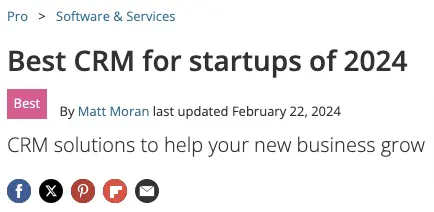
There’s a good chance their opinion would influence your buying decision, right?
Which is precisely why media mentions and endorsements are a key way to build trust in cold emails via social proof.
Example:* “You might not have seen, but Business Insider just included us in its roundup of the best financial planning platforms. They loved our budgeting and forecasting tools!”*
Performance Statistics
Hard data is more meaningful than mere words.
Don’t believe us? Consider which of these two statements is more persuasive:
- Our product helps users save time on project management and collaboration.
- On average, our project management tool saves users 16 hours a month on unnecessary emails and meetings.
Unless you’re being deliberately obtuse, you’d have to agree option #2 is the clear winner. So if you’ve got the numbers to demonstrate why your product or service is the bee’s knees, you should definitely share them in your cold emails.
Example:* “Our latest customer survey found that our users generate 15% more leads after switching to our tool.”*
Customer Satisfaction Metrics
When looking for guidance on potential purchases, 90% of B2B buyers trust peers in their industry.
And what better way to demonstrate that their peers love your product than by sharing customer satisfaction metrics from third-party platforms like G2 and NPS?
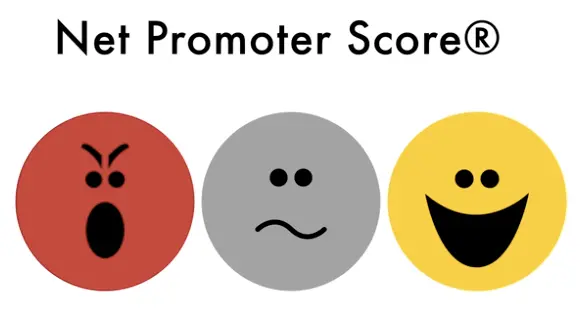
Example:* “Businesses like yours love our product — that’s why we’ve got a Net Promoter Score of 73!”*
Case Studies
**Case studies are a classic example of **show me, don’t tell me.
When you include case studies in cold emails, you’re not just telling prospects that your product is amazing — you’re showing them the fantastic results it delivers.
The most effective case studies tell the story of an individual customer’s success through a tried-and-trusted three-part framework:
- Problem: The pain point your customer hoped to resolve.
- Solution: How you helped them fix the problem using your product or service.
- Result: What happened after they implemented your solution.
Example:* “A customer in your industry was struggling to scale their sales outreach. We recommended our Pro plan. Now they’re sending 50% more emails and generating 60% more leads!”*
Industry Awards
Let us demonstrate why industry awards are one of the most effective forms of social proof:
The movie Everything Everywhere All at Once was released in March 2022. Yet by far its biggest spike in search interest came more than 12 months later, when it won the Oscar for Best Picture:
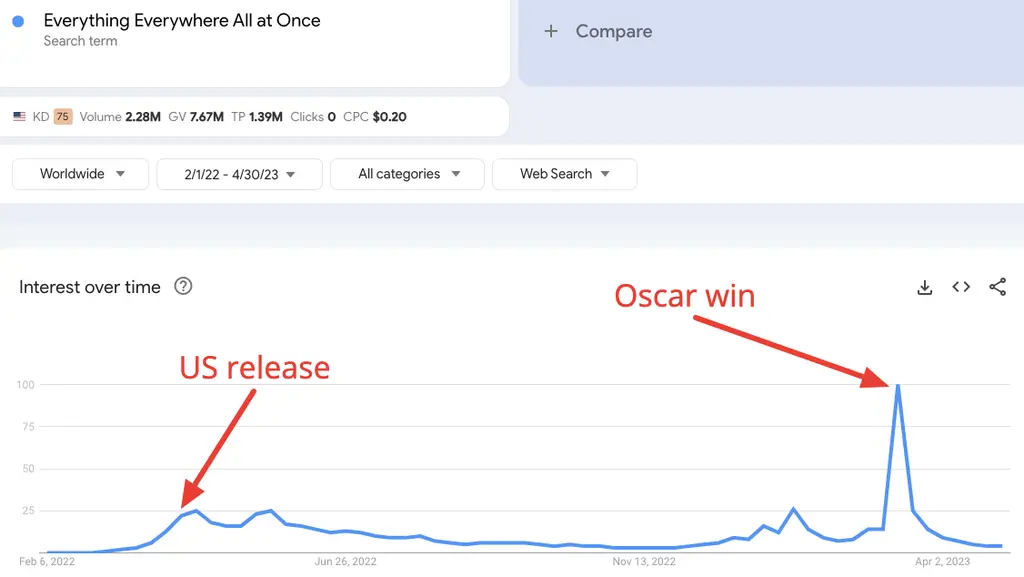
Sure, you might not have an Academy Award to your name. But any industry award is a major trust factor that demonstrates the quality of your product.
Example:* “Did you see we just won G2’s Rookie of the Year award? We made the top 10 for highest-satisfaction products, too!”*
4 Best Practices for Building Trust in Cold Emails via Social Proof
As you can see, there’s no shortage of social proof varieties to elevate your cold outreach. Ensure you use them effectively by following these best practices:
Align Social Proof With Prospect Pain Points
Any social proof is better than none.
But for best results, personalize** your social proof so it speaks to the stuff that keeps your prospects up at night**.
For instance, let’s say you’re selling a sales productivity tool. From customer surveys and your own experience, you know that a lot of businesses struggle to ensure sales reps spend the bulk of their time on revenue-generating activities. So you share a case study demonstrating how your product helped one customer’s sales team spend 30% less time on repetitive admin.
Ensure Social Proof Stands Out
Let’s be honest:
Most prospects aren’t going to carefully read every word in your cold emails.
Instead, they’ll check out your signature to see if they recognize your company, glance at the intro to see if it piques their interest, then spend a few seconds skimming the rest of the copy.
So it’s in your best interests to ensure that your most valuable, persuasive messaging cuts through.
Play around with email formatting elements — like bold text, italics, bullet points, and numbered lists — until you’re satisfied that your social proof stands out.
Keep Your Social Proof Specific
You’ve gone to the effort of building an award-winning product, creating a persuasive case study, and rounding up performance statistics based on real customer data.
Your next task is to make your social proof as meaningful as possible by keeping it specific. For example:
- Don’t say: “Our software helps companies capture more leads.”
- Do say: “On average, clients see a 15% increase in qualified leads within three months of switching to our platform.”
Reference Social Proof in CTAs
Smart sales teams use social proof to reinforce their calls to action (CTAs), helping them generate more clicks and replies.
For instance, let’s say you’re writing a cold email incorporating a case study. At the end of the email, try adding a CTA that says something like: “I can tell you more about how we helped Company X hit their revenue goals — just book a meeting via my calendar link.”
Level Up Your Cold Email Game With QuickMail
Now it’s time for a little social proof of our own.
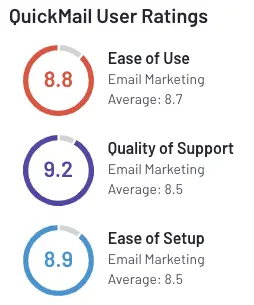
QuickMail has a G2 rating of 4.6/5. That’s higher than the likes of Lemlist, Outreach, and Woodpecker.
And we outperform the industry averages for ease of use, quality of support, and ease of setup😀
Our customers love us because we make it easy to do the stuff that generates *real results *from cold outreach, like:
- Scaling send volumes by adding multiple inboxes
- Adding unlimited team members to your account for true collaboration
- Building automated omni-channel campaigns to reach prospects beyond the inbox
That’s why 84% of G2 reviewers rate us 5/5!
Reviewers like Alexey here:
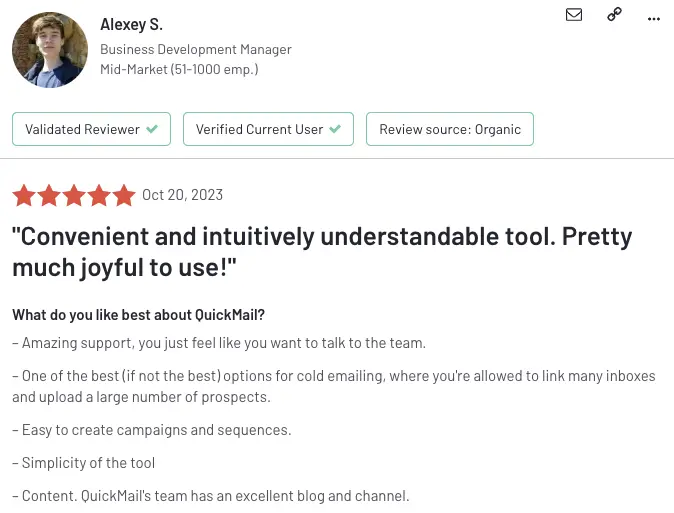
But don’t take our (or Alexey’s) word for it.
See for yourself by signing up for your free QuickMail trial today!